About My Work
Mercig Studios are widely regarded as the pinnacle of what can be achieved in N Gauge. Every Mercig model is a unique one off finely crafted piece of work. Virtually every model will have bespoke etches and in some cases 3D prints added to them.
These etches and prints are designed in house and not available anywhere else so will only ever be seen on a Mercig model. A huge amount of time goes into every piece of work and in this section I will try to show just some of what goes into the making of a Mercig model. Everything shown on this website is N Gauge (2mm:1ft).
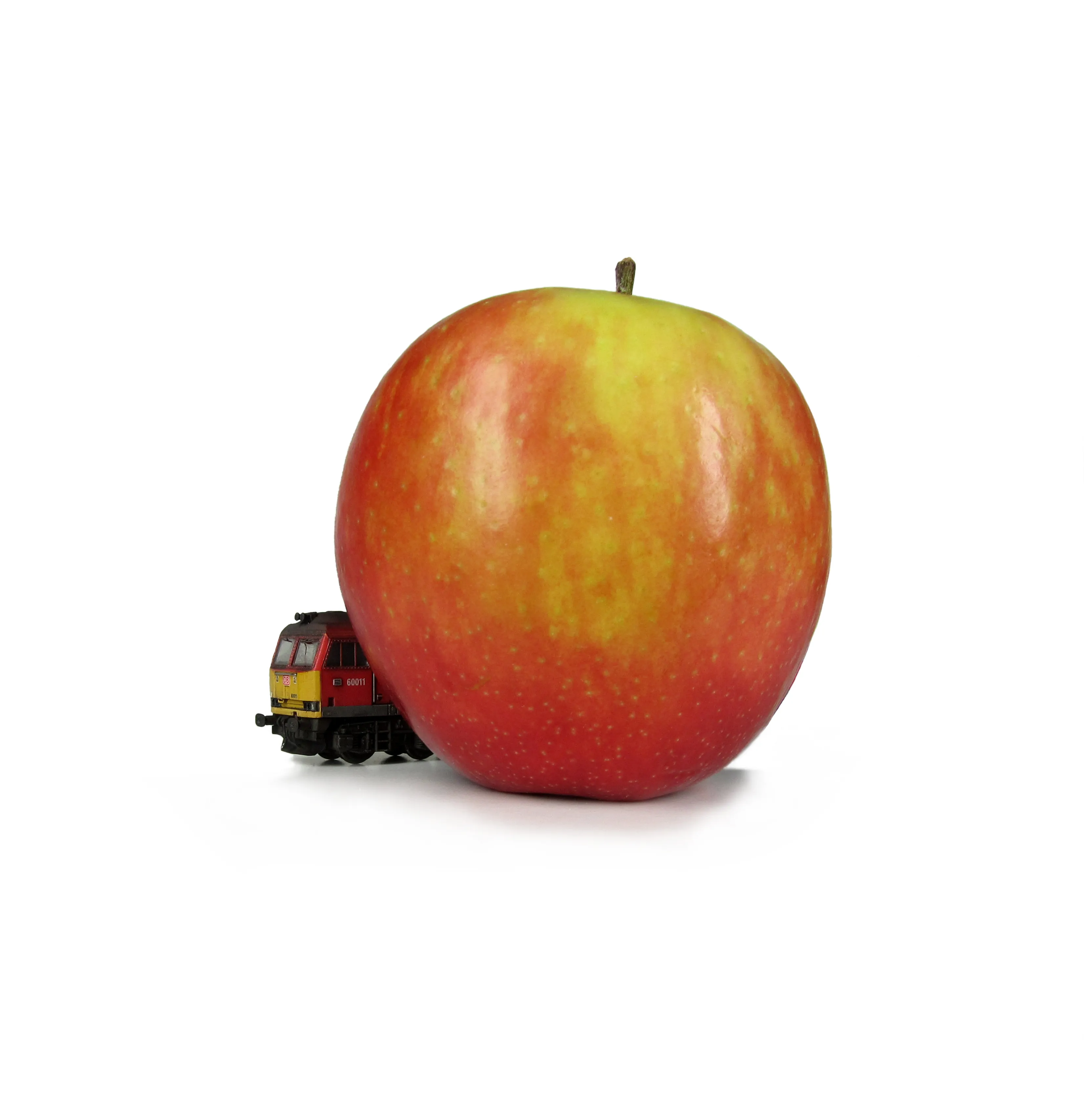
Most of the models on this page can be enlarged by clicking on the images. When looking at the models, please note that you are looking at an object that is usually just over 2cm in height with the largest locomotives only about 13cm in length.
Pricing
All pricing is taken out on an individual basis depending on what the customer wants and how close they want to get the model to look like the prototype. For a rough idea, all locos start with the weathering package which is £120 for a small shunter going up to £170 for a steam tender. This is the starting point for all models with detailing, modification and respray cost added onto this initial fee. Please email for a full quote.
Usually a customer will send a photo of what they would like the model to look like which is used as the starting point. The below photos show the initial prototype photo, the base model used and then the final model that is produced with the weathering and added detail.
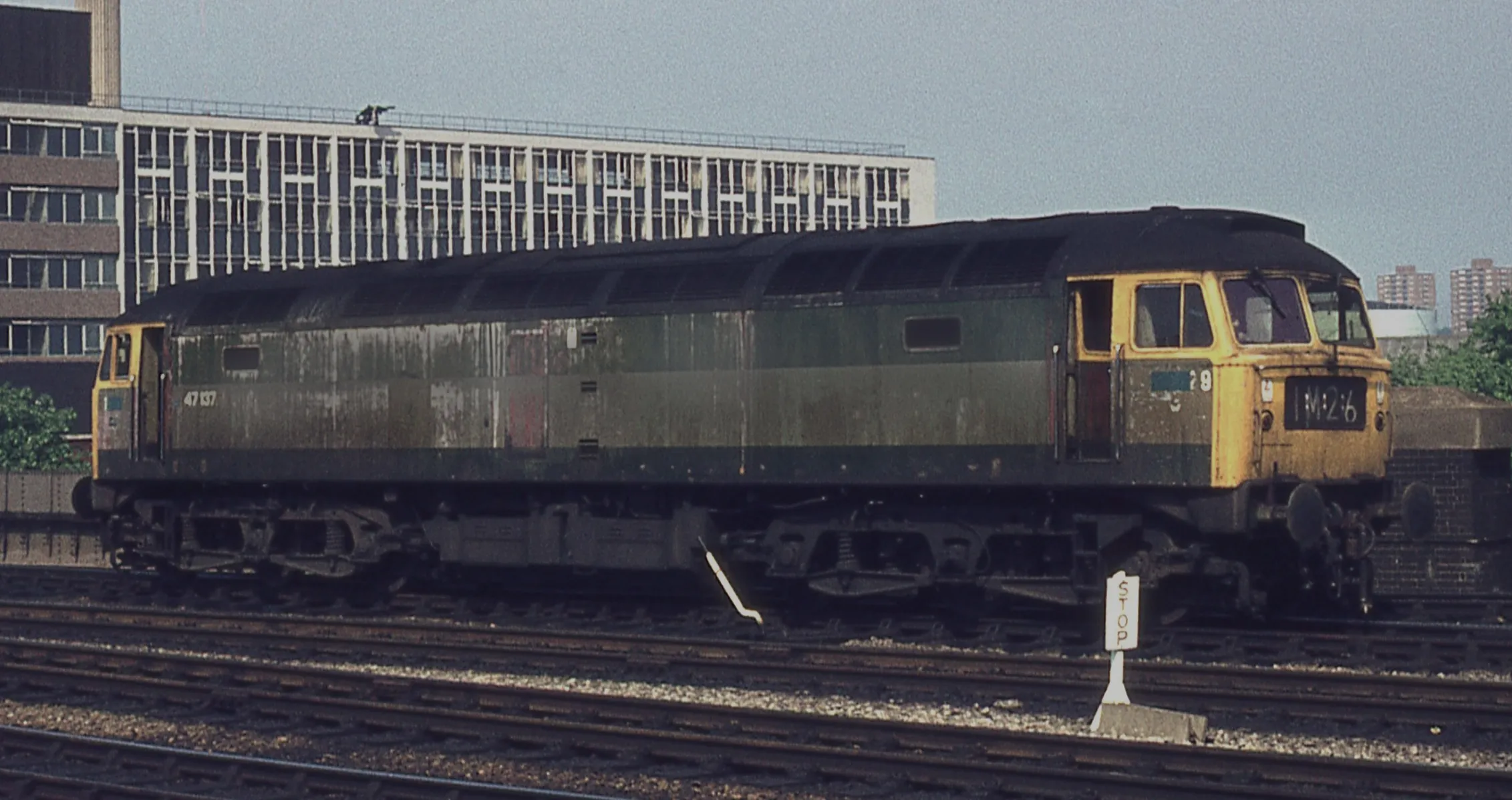
The prototype, photo credit to Tom Derrington
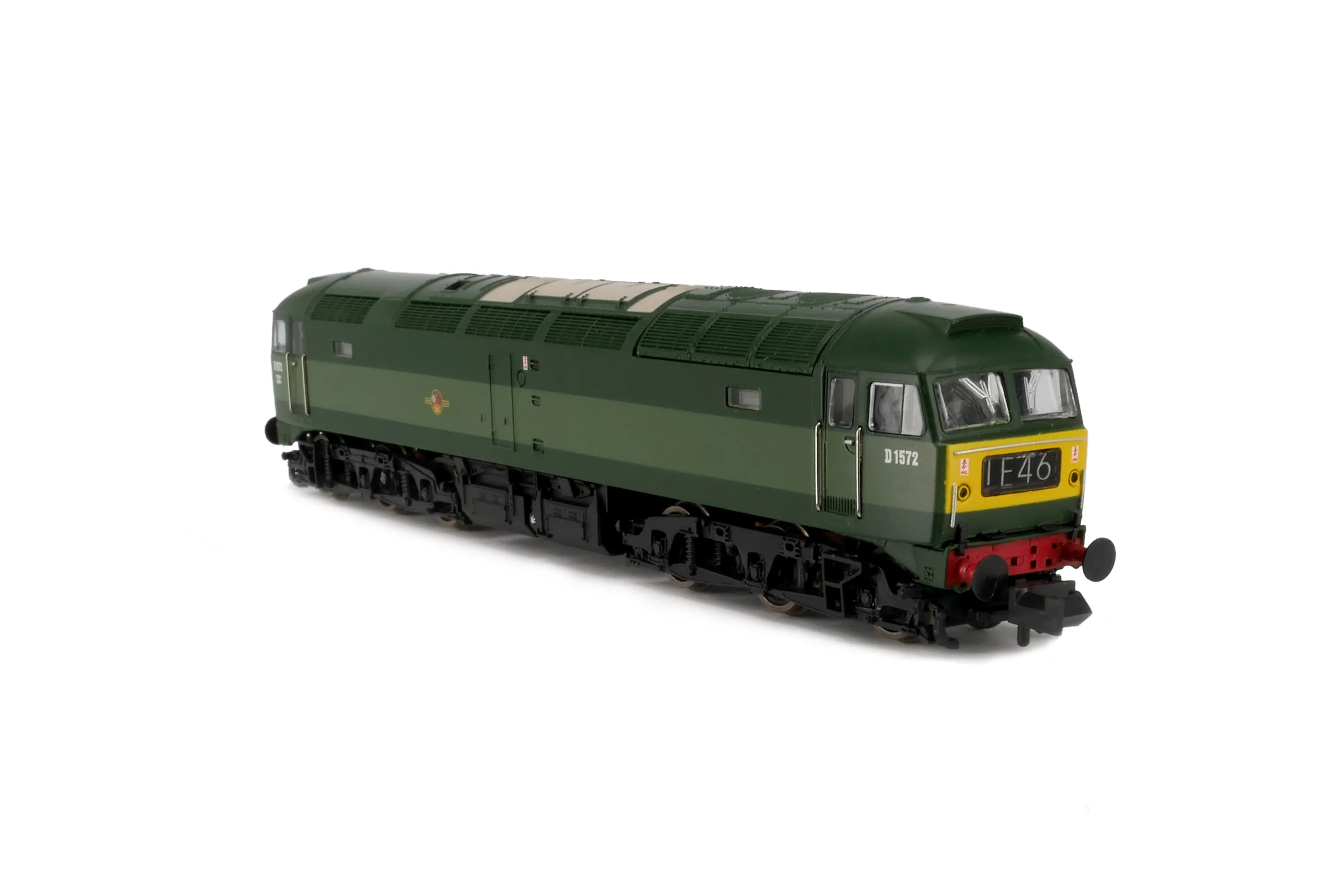
The Graham Farish base model
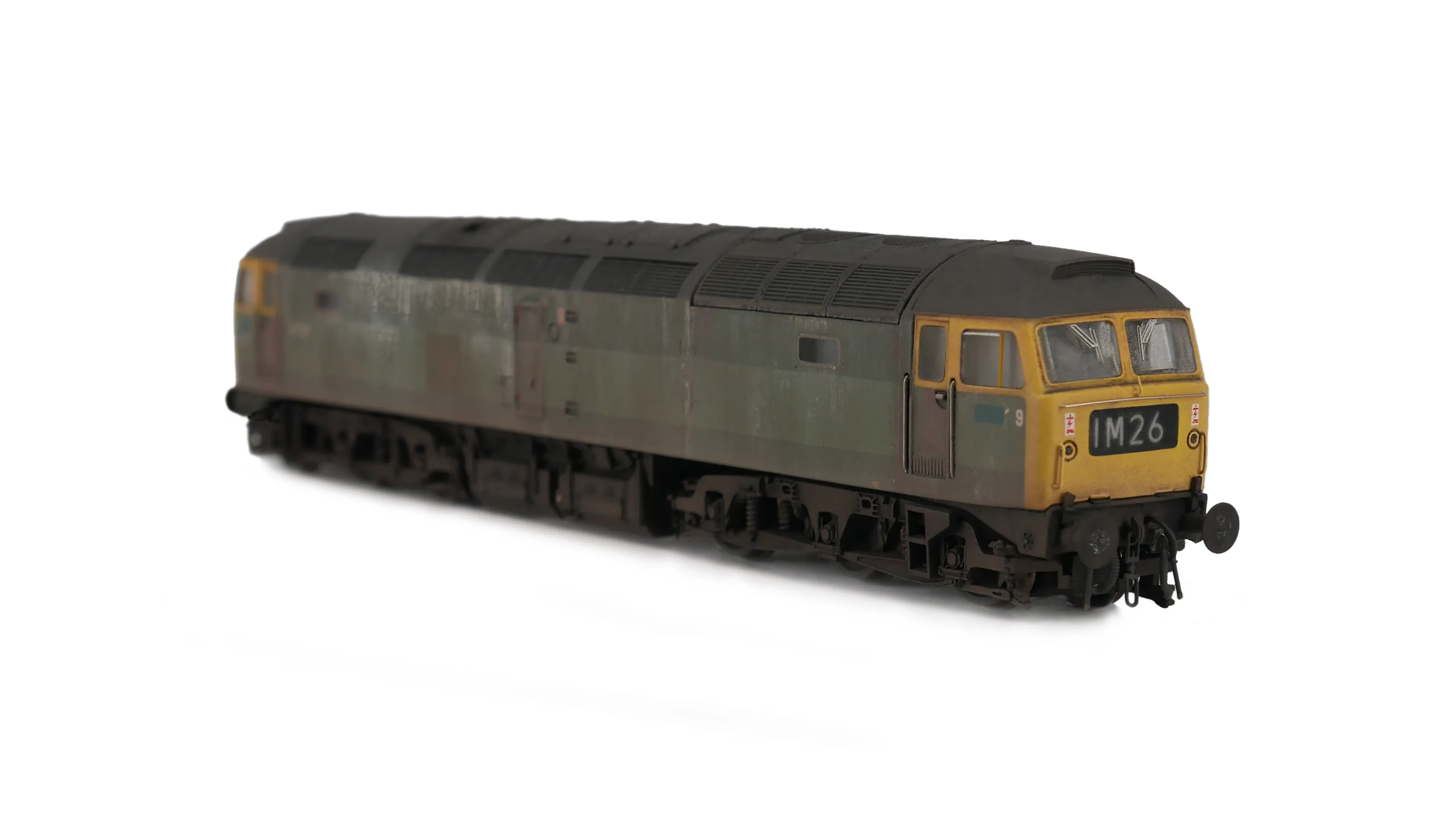
The finished model
Body lowered, 3D etched roof grills, semi respray to full yellow ends, renumbered, detailed buffer beam, moulded nose handrails replaced with wire including pommels, change of headcode and driver fitted. Even the windows have been worked on to show where the wiper blades keep the windows clean.
Weathering
Weathering can be anything from a subtle line wash on an ex works loco through to an end of days loco suffering from heavy fading and rusting.
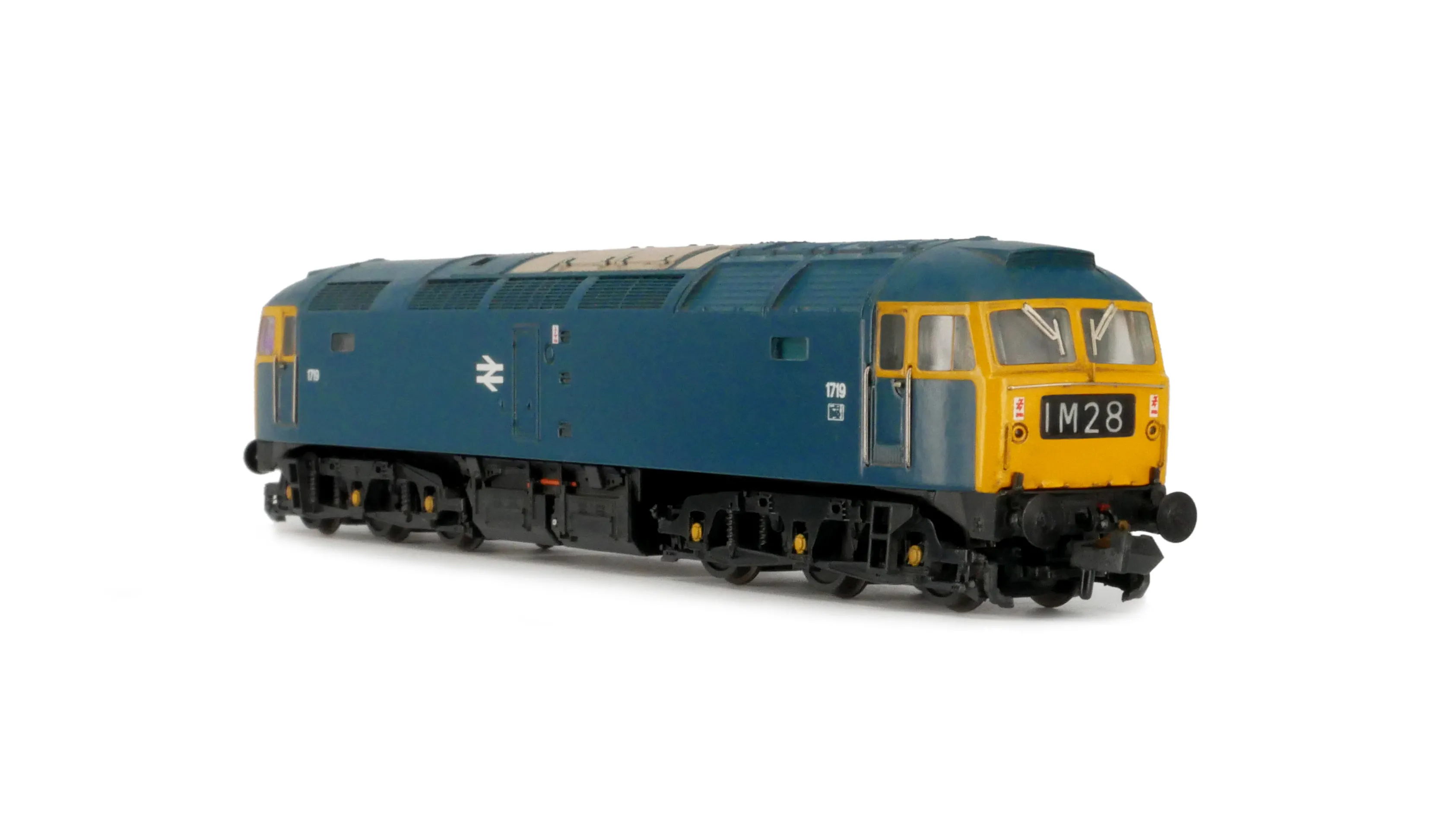
Ex works loco with a subtle line wash and gloss finish
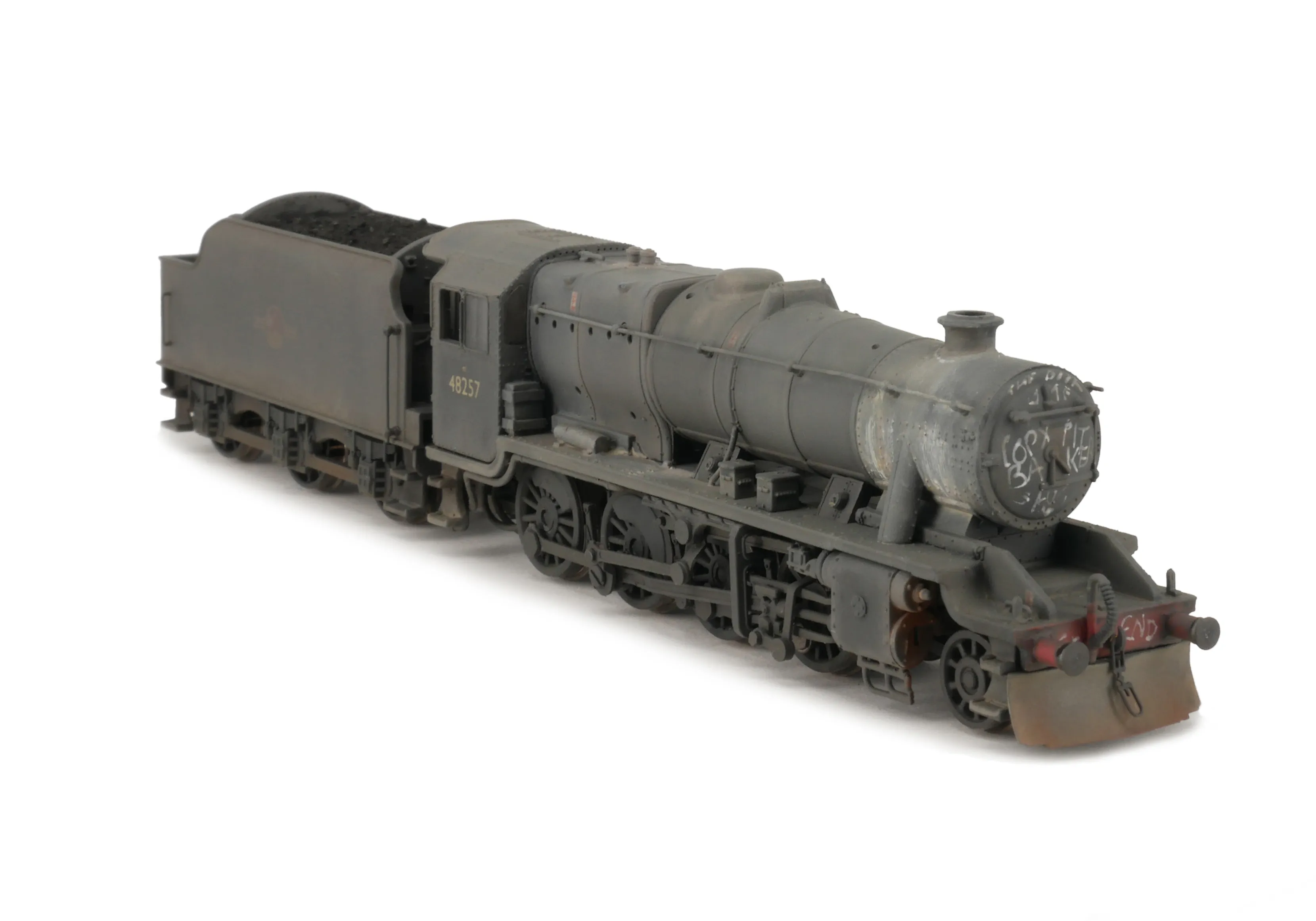
End of days loco
Many techniques are used on the models such as streaks, exhaust fumes and grease on the buffers which make the model look as close to the real thing as is possible in this scale.
All the models are sealed with multiple layers of varnish so that the models should always maintain their look. Different types of varnish are used from matt through to gloss in order to get a prototypical appearance. This is something that is hard to see from photos but there is a variation in tone on the majority of models representing such things as gloss paint breaking through dirt and greasy wheel sets as well as the oily rag finish that you will often see on steam locomotives.
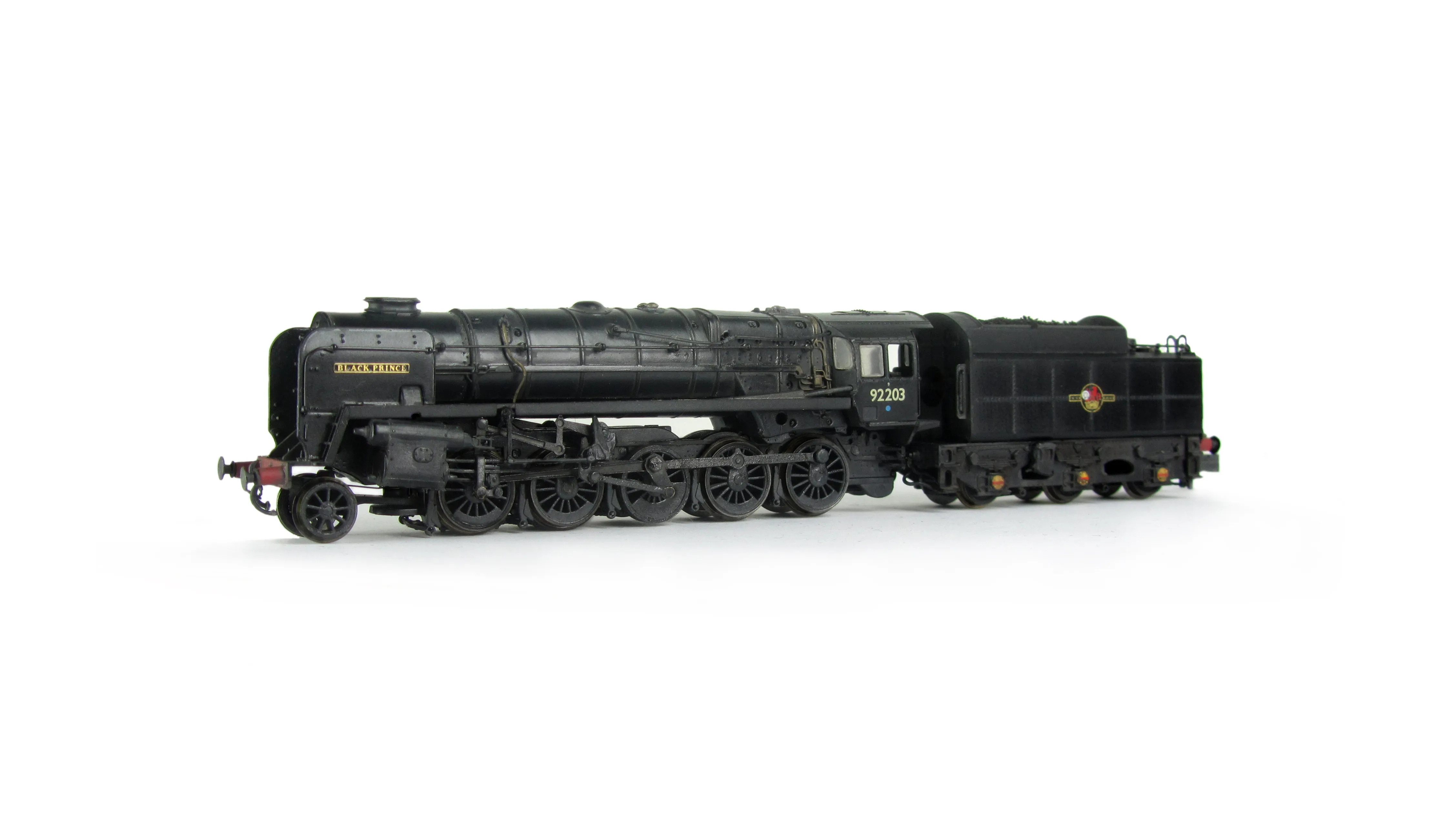
Oily rag finish on a 9F loco
Detailing
Virtually all the models featured on this website have had some degree of detailing carried out on them. The detailing can encompass a whole host of different applications from simple things like body lowering, snowploughs, etched nameplates, etched roof grills, etched headcode discs, handrails and headlights to more complex conversions. Much of the detailing is specific to the class of locomotive so if you go to the gallery you will be able to see the different details added to each loco in the description.
Most of the locos that are on the website will also have detailed buffer beams, which include vacuum pipes and screw couplings using pieces that are unique to a Mercig model. All nameplates, depot plaques, silver BR logos and air horns are made from metal.
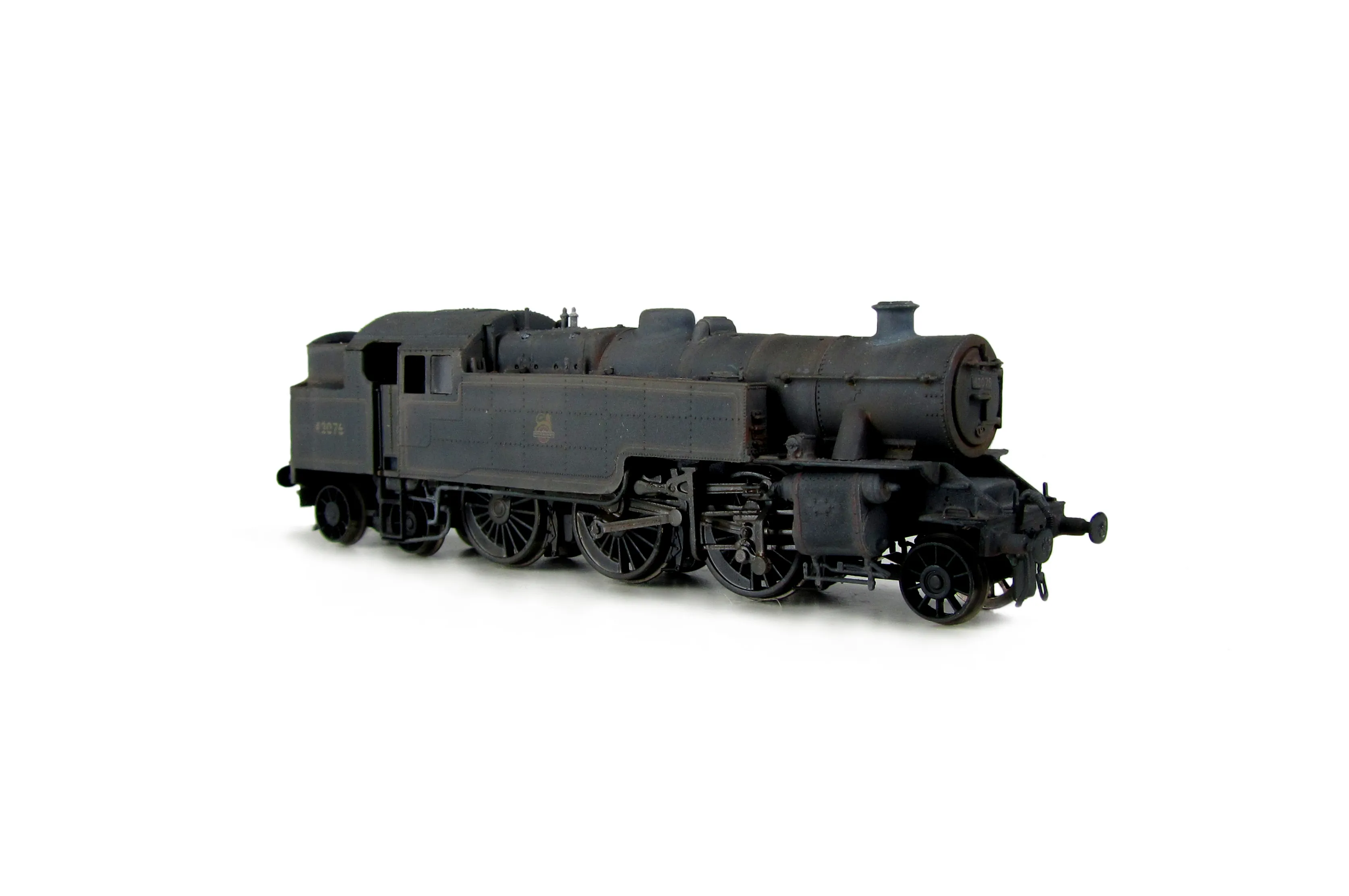
Fairburn, renumbered with detailed buffer beam
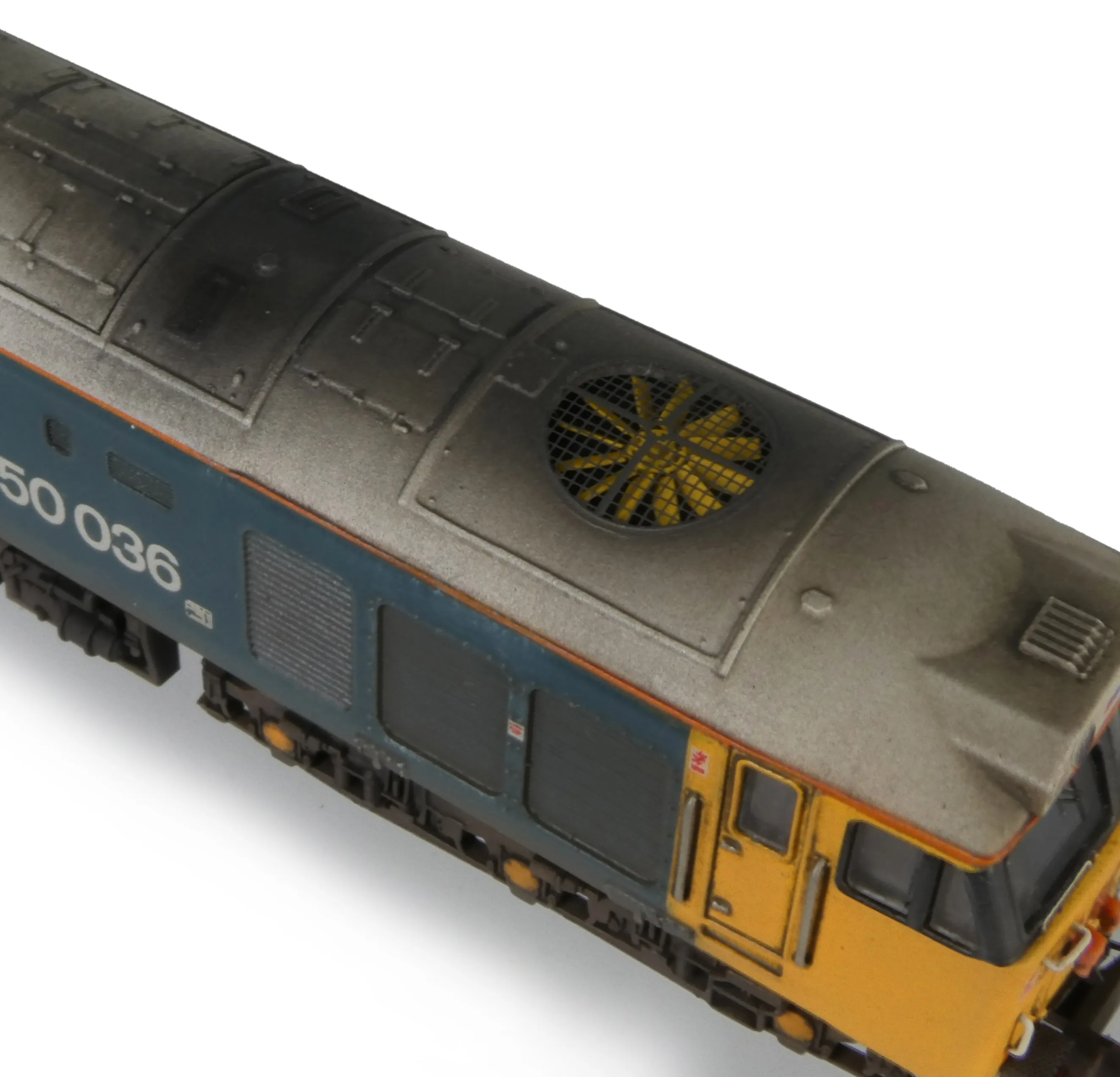
Etched fan and grill on a class 50
Most of the time you will be looking directly down on the model when it is on the layout so it is no surprise that one of the most popular details added to customer locos is the 3D etched fan and grill that replaces the moulded plastic version. All the roof grills and fans are designed in house and only available on Mercig models.
Fading
Fading paint on the models is achieved by multiple layers of base coat as well as other techniques used on the top coat in order to achieve a prototypical appearance and to give the model a depth of field.
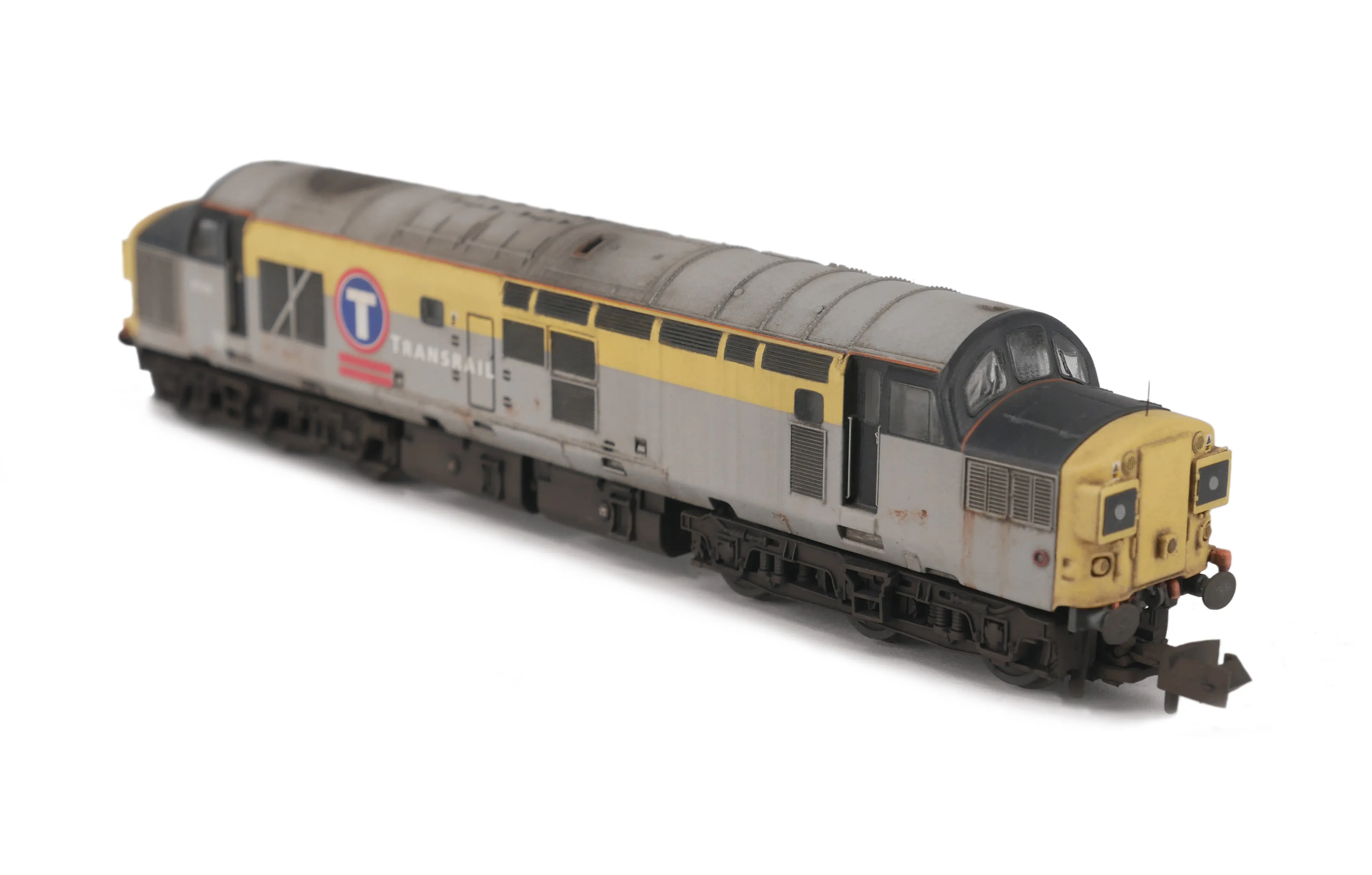
Heavily faded class 37 with added special effects of paint peeling and rust
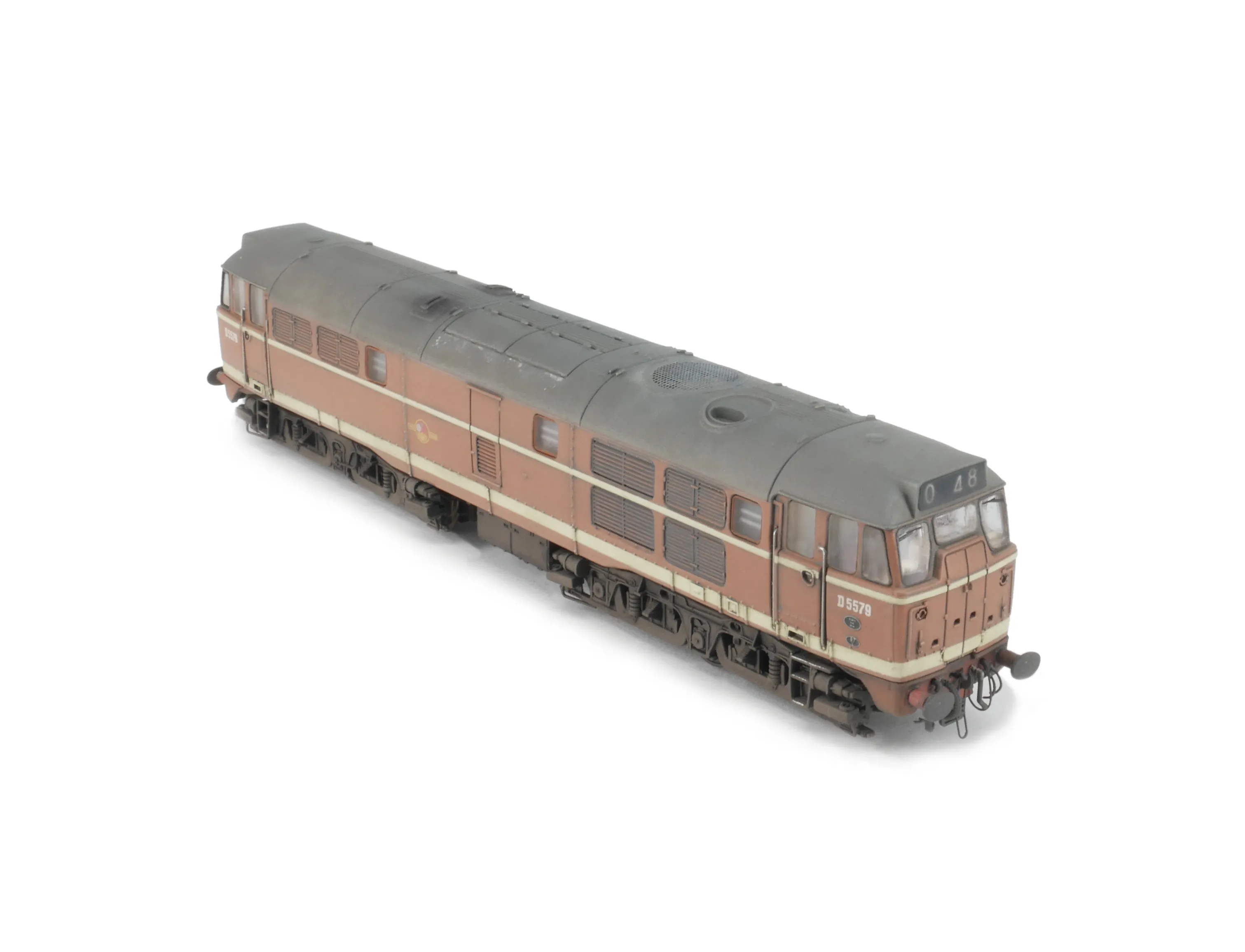
Class 31 heavily faded
Re-sprays
Models can be resprayed from their original livery into any livery the customer wants. A great deal of time and effort goes into creating a perfect finish.
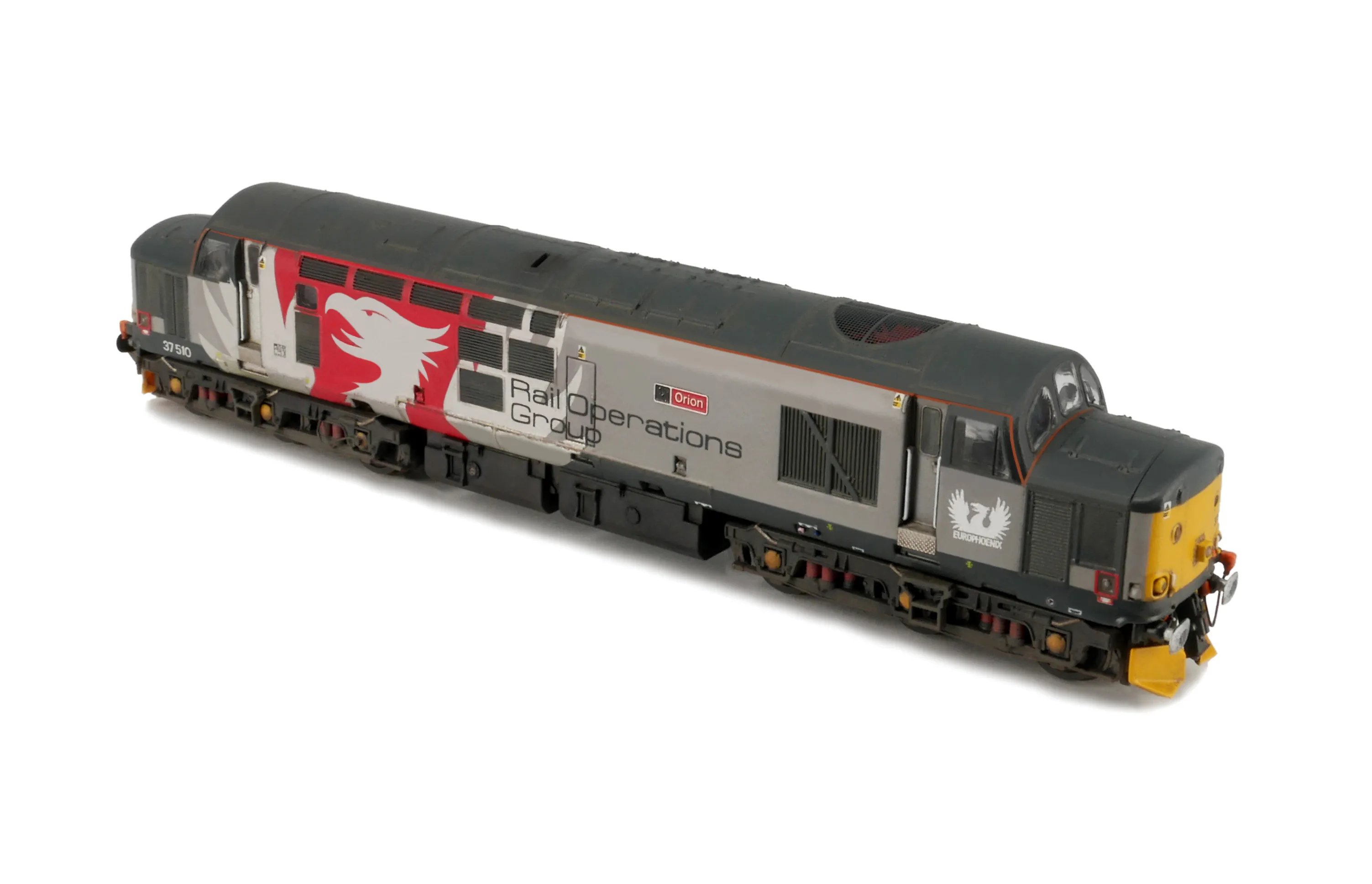
Class 37 with a complex respray into Europhoenix livery
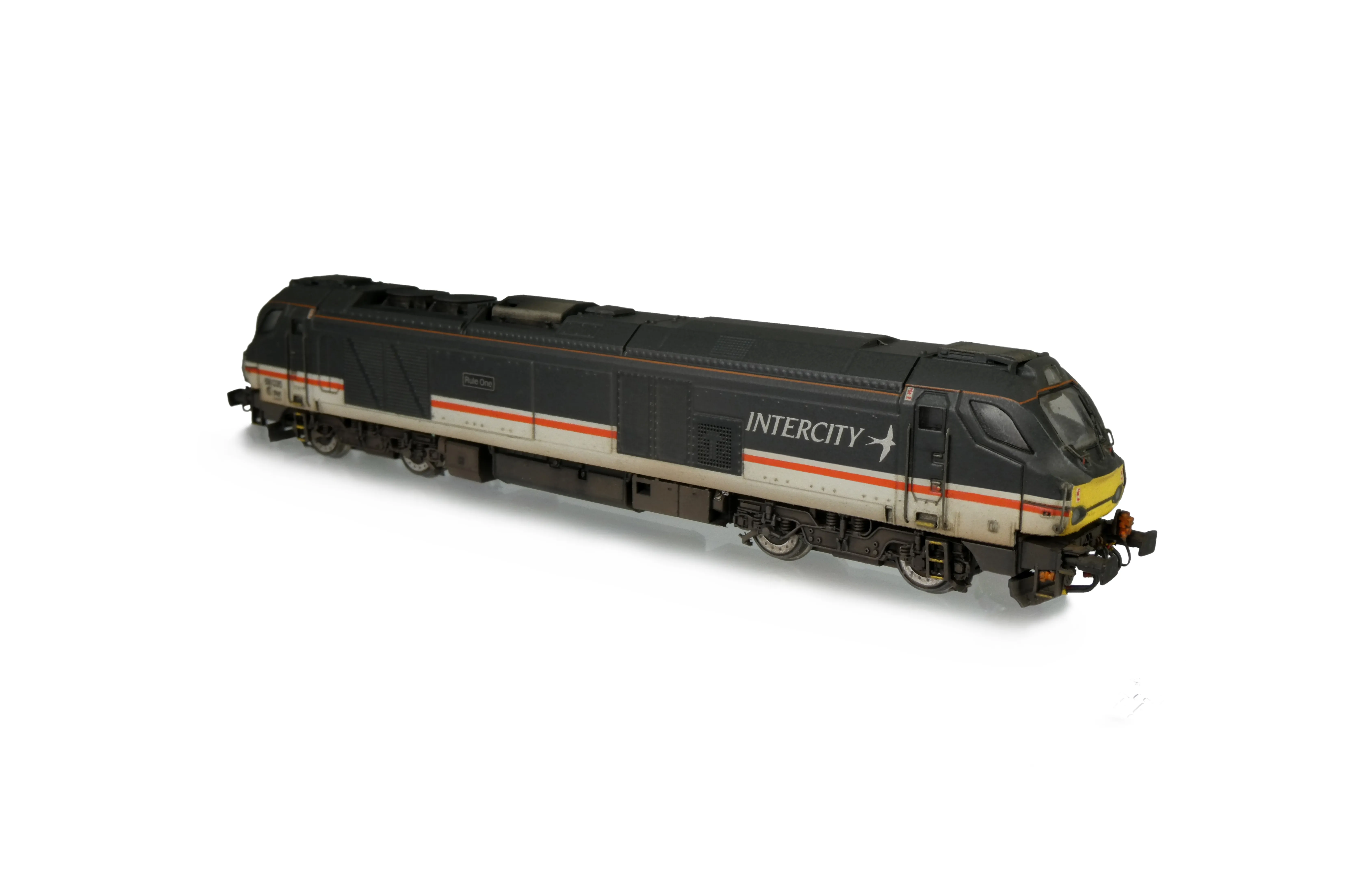
Class 68 resprayed to an Intercity fantasy livery that the prototype has never actually carried in real life
Modifications & Conversions
This can be anything from a simple renumber and re livery to locos being transformed into an entirely different sub class with additions of such things as headcode boxes and token catcher recesses.
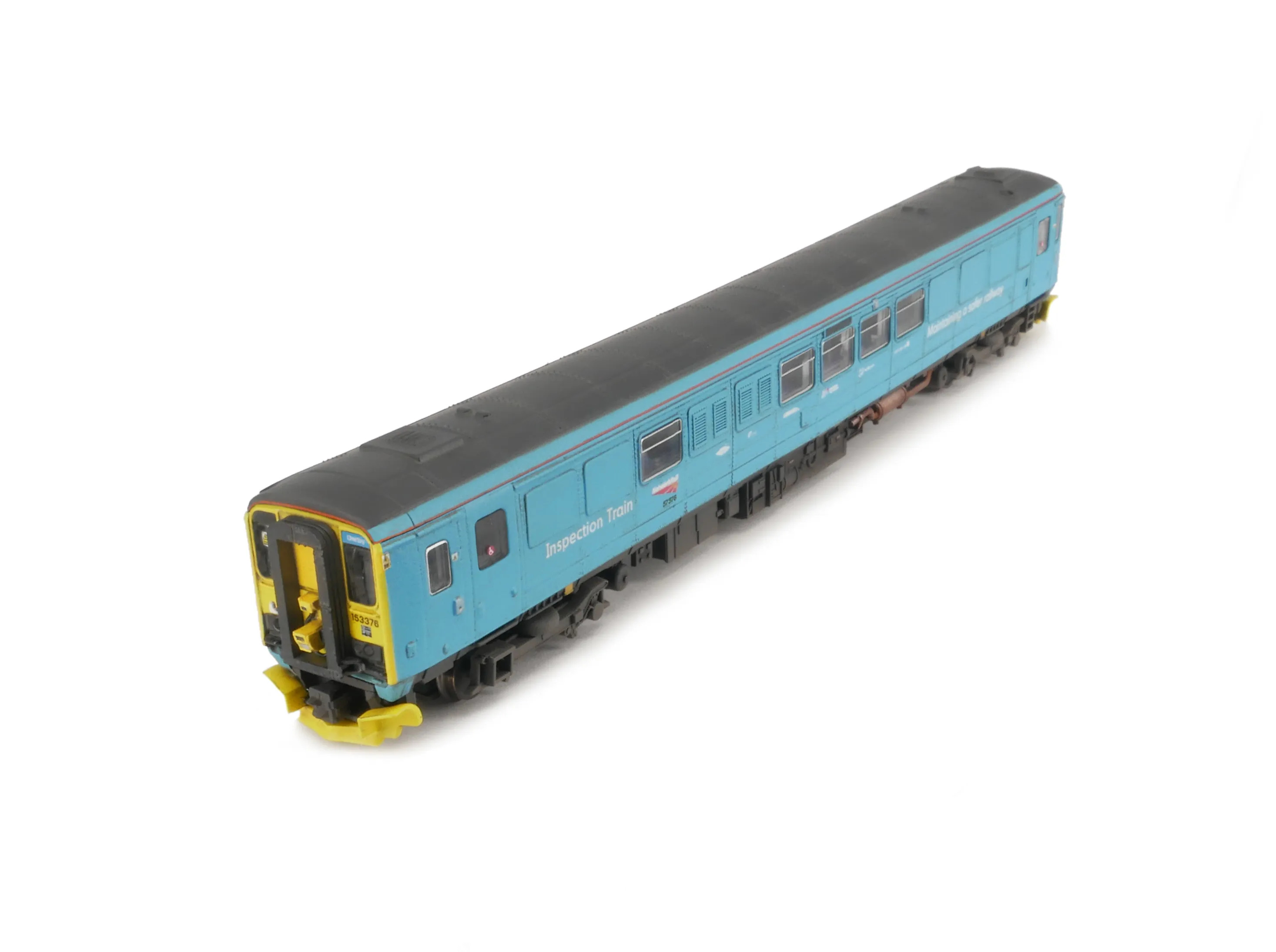
Class 153 converted and resprayed to the Network Rail measurement train. Heavily modified with the addition of plated over windows and grills and the camera equipment added to the nose ends.
Special Effects
Many different techniques are used to replicate paint peeling, chipping, rust effects and graffiti that you will see on real life rolling stock.
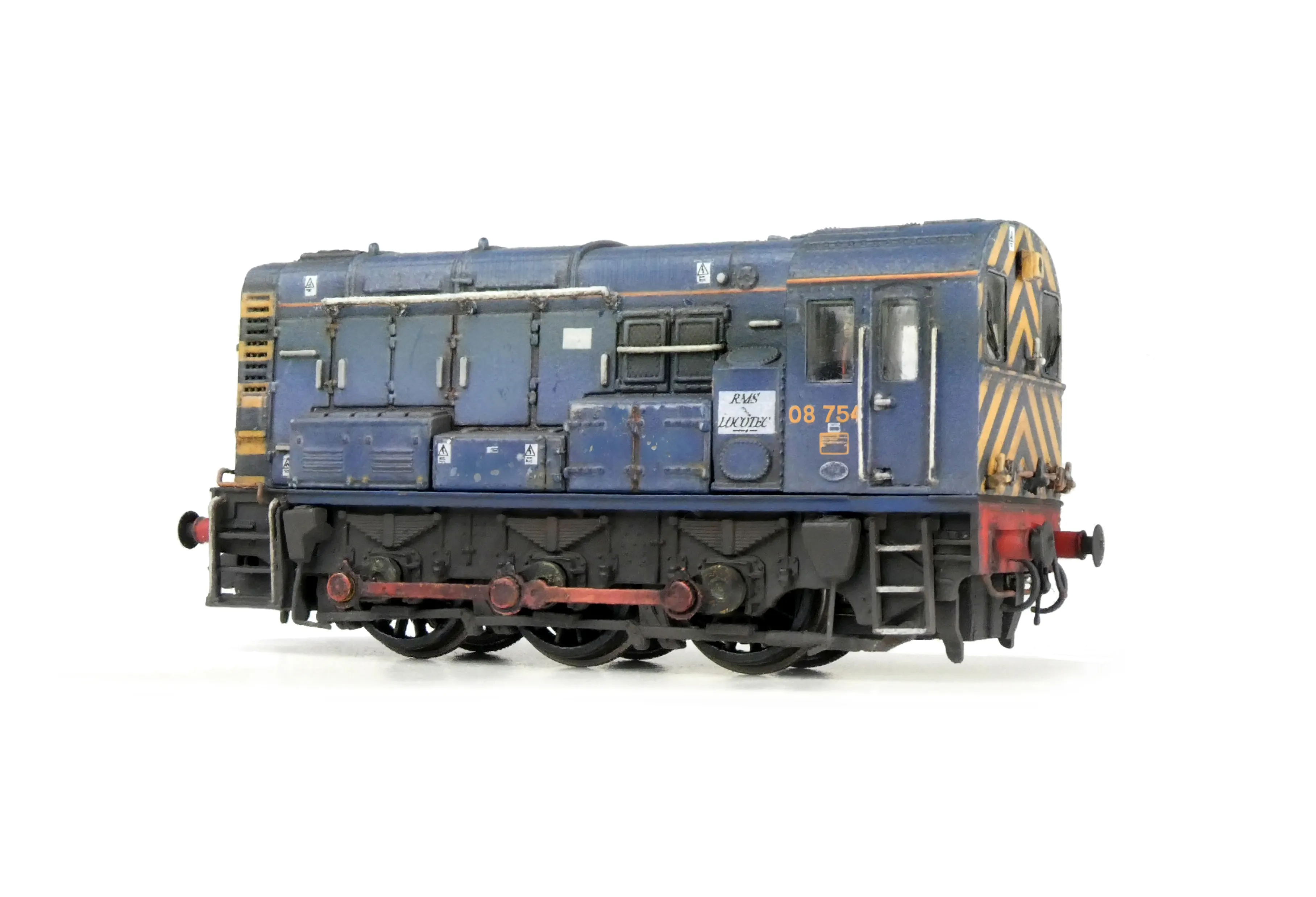
Class 08 heavily faded with paint chipping, scratches and rust
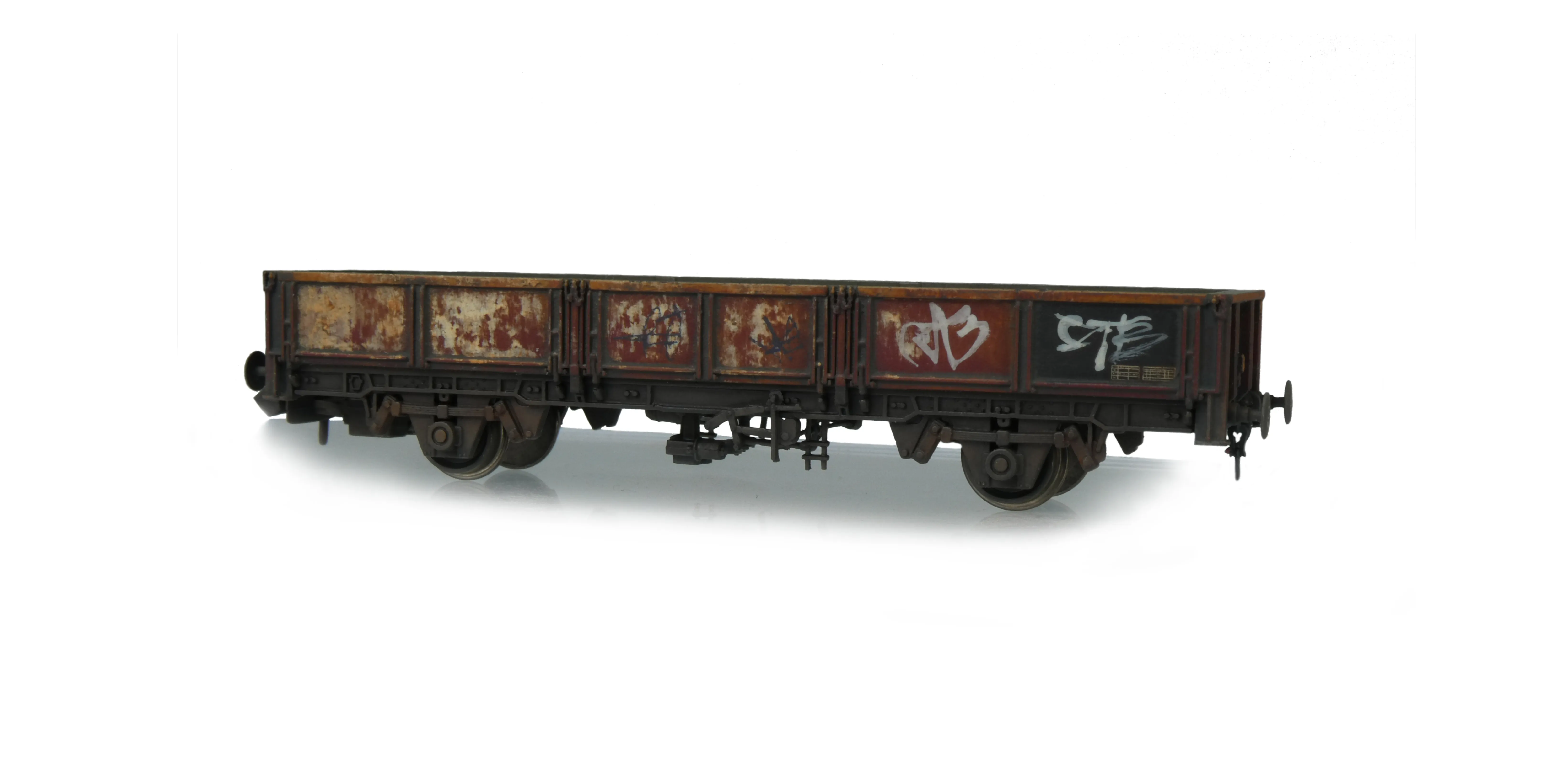
OBA wagon with paint peeling, rust and graffiti
Etching
Virtually every model you see on this website will have an etch applied to it. That could be something as simple as a tiny work plate right through to complex body grills. These are all unique to Mercig models and cannot be found commercially and are all designed in house. We can even do bespoke nameplates and plaques if you want your loco to be truly unique.
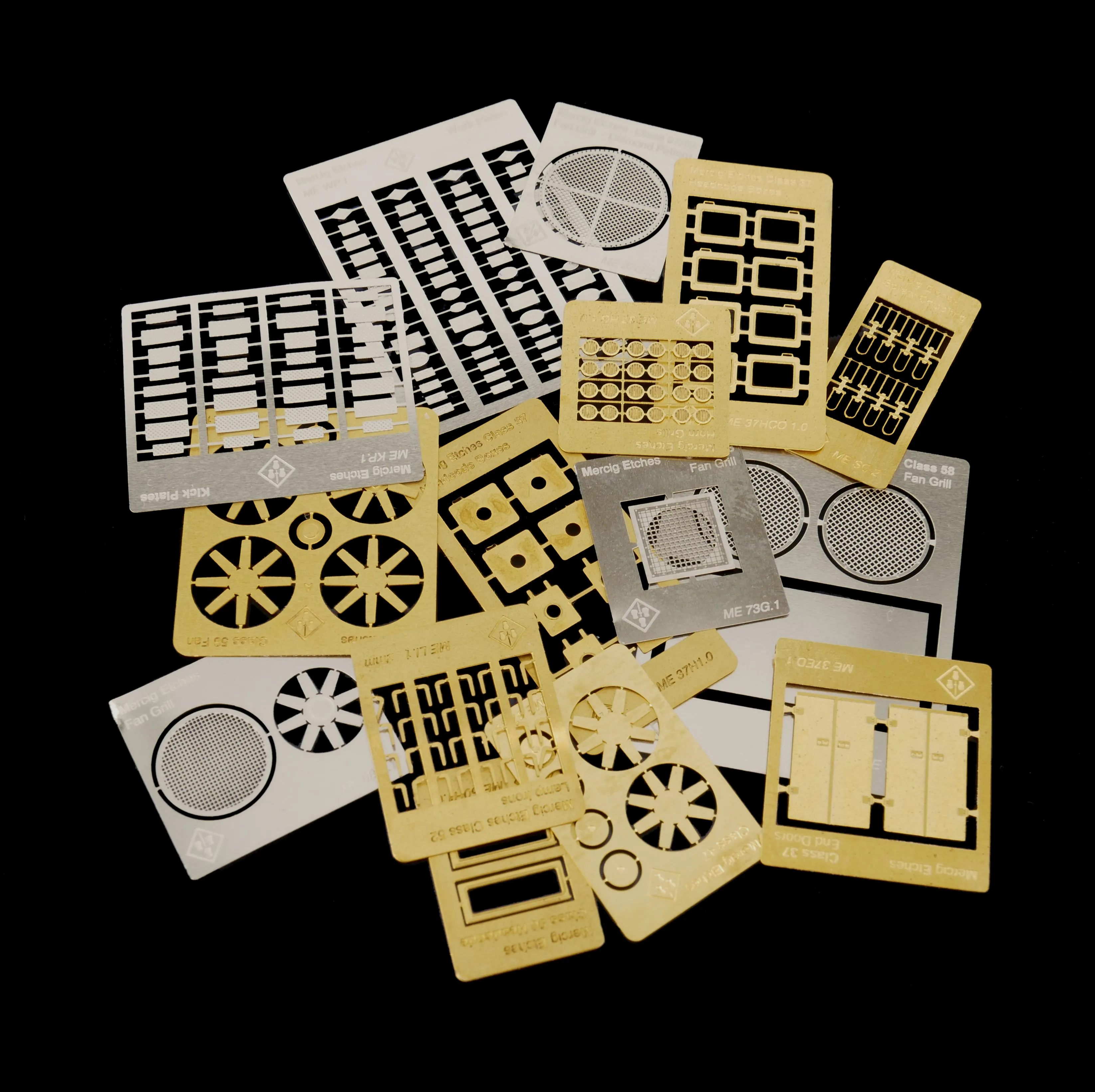
Just a tiny selection of the 100's of different unique etches that go on a Mercig model
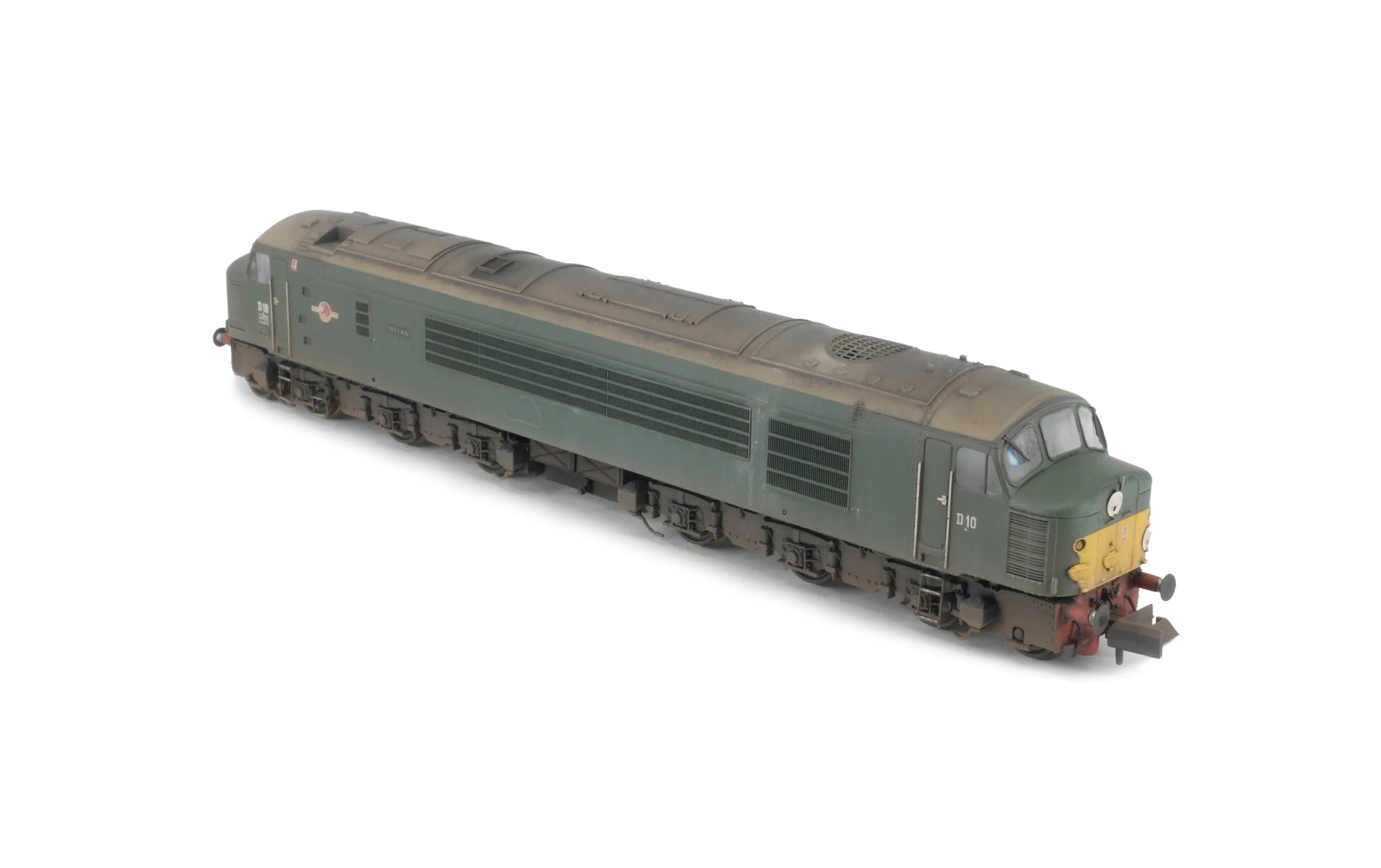
Class 44 with etched body grills that were only applied to D9 and D10
3D Printing
The 3D printing is designed and produced in house and similar to the etches are unique to Mercig models and not available anywhere else. 3D prints come into their own when you need a more 3D detail replicated that etching cannot match. 3D prints are used for anything from a tiny mu box up to a full size wagon.
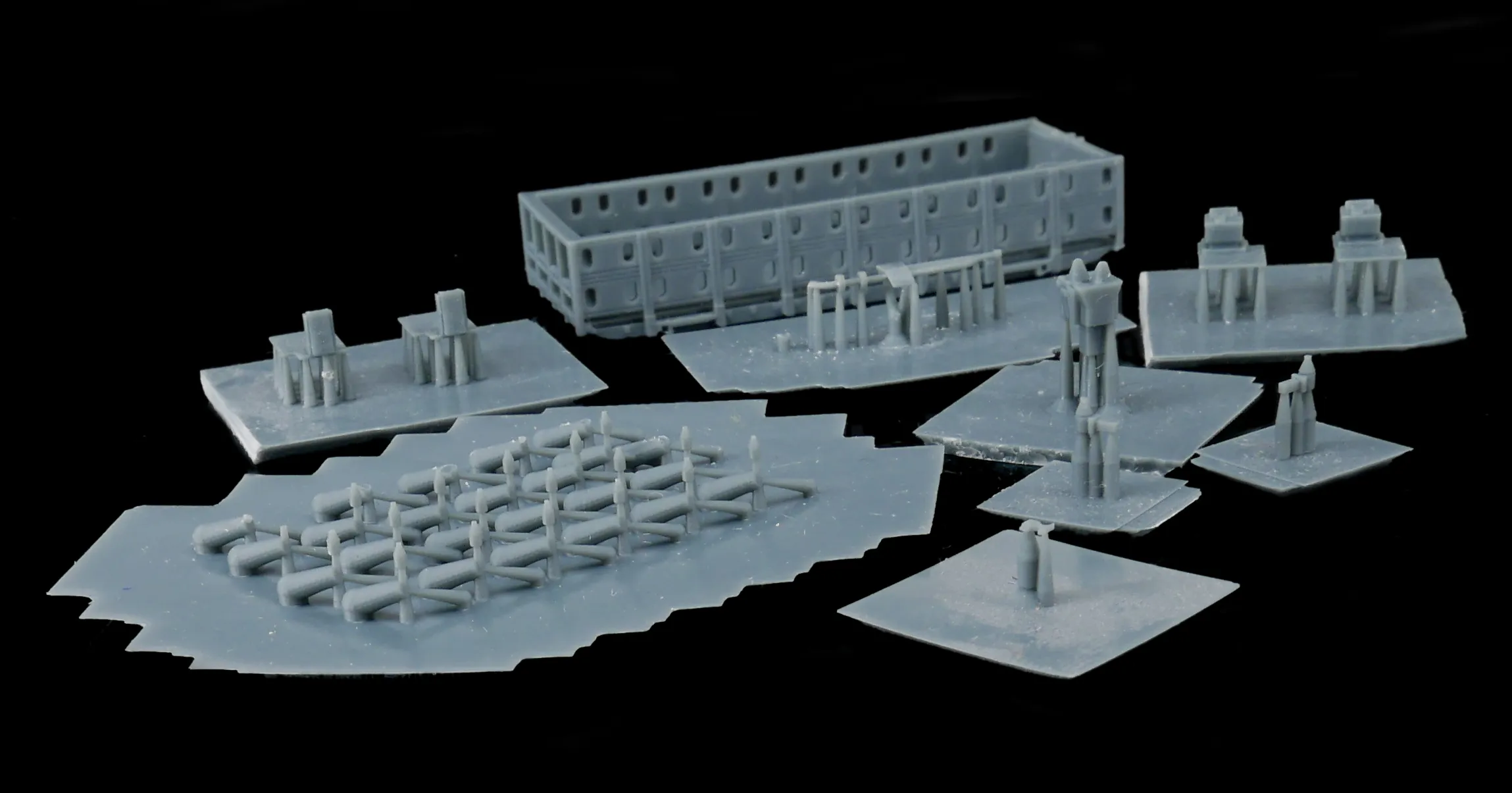
Small selection of some of the prints that are used
Presentation Box
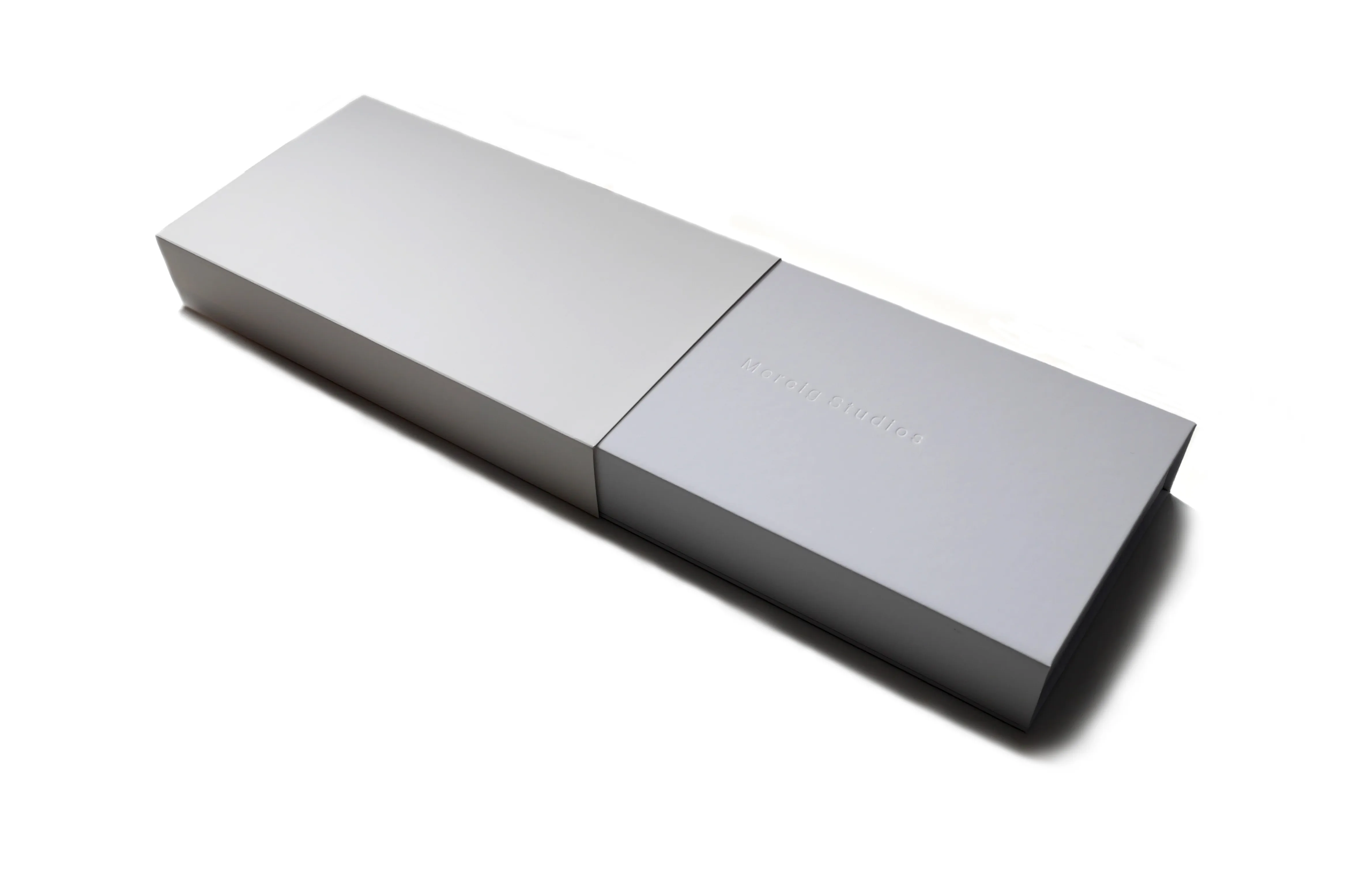
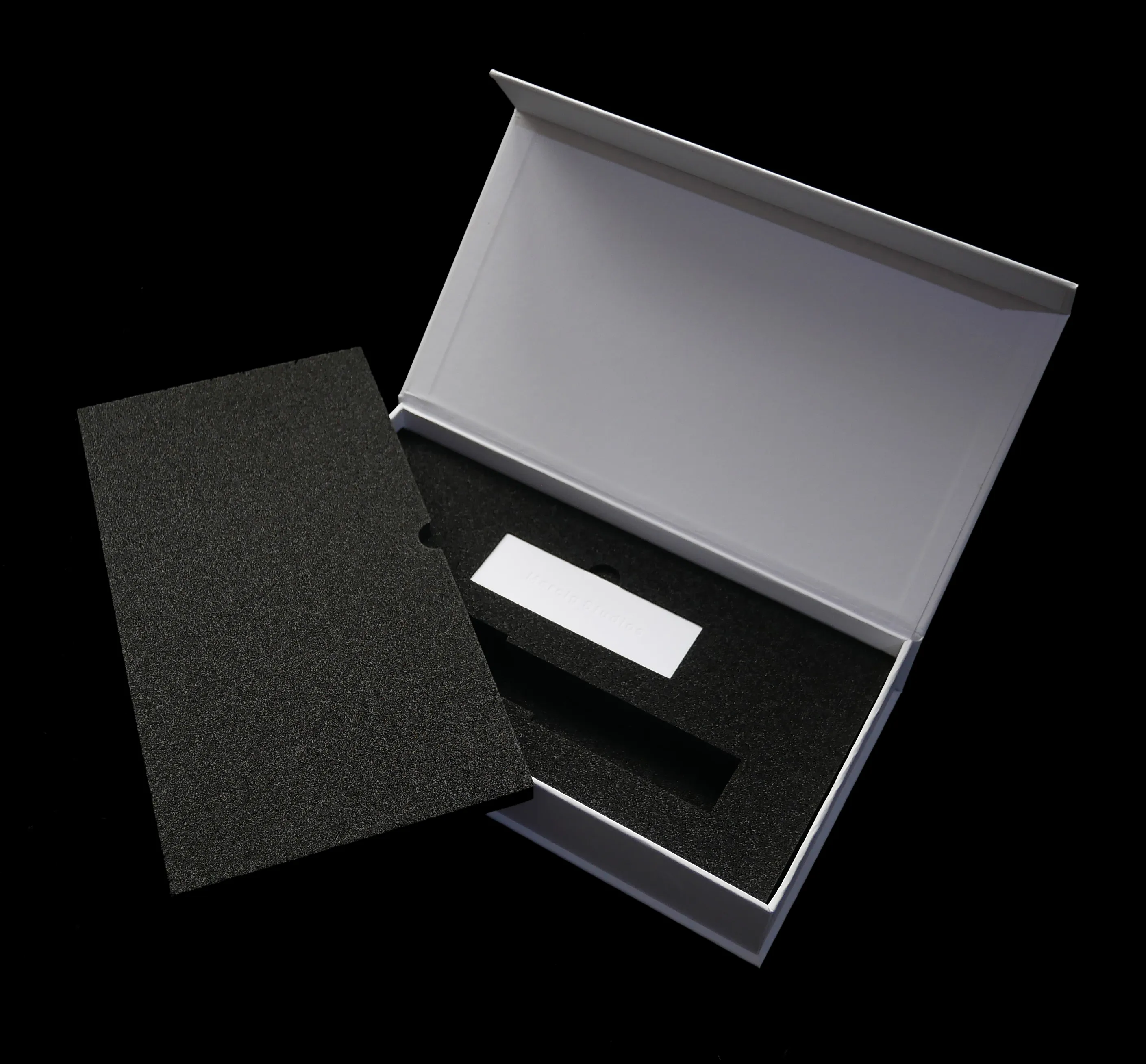
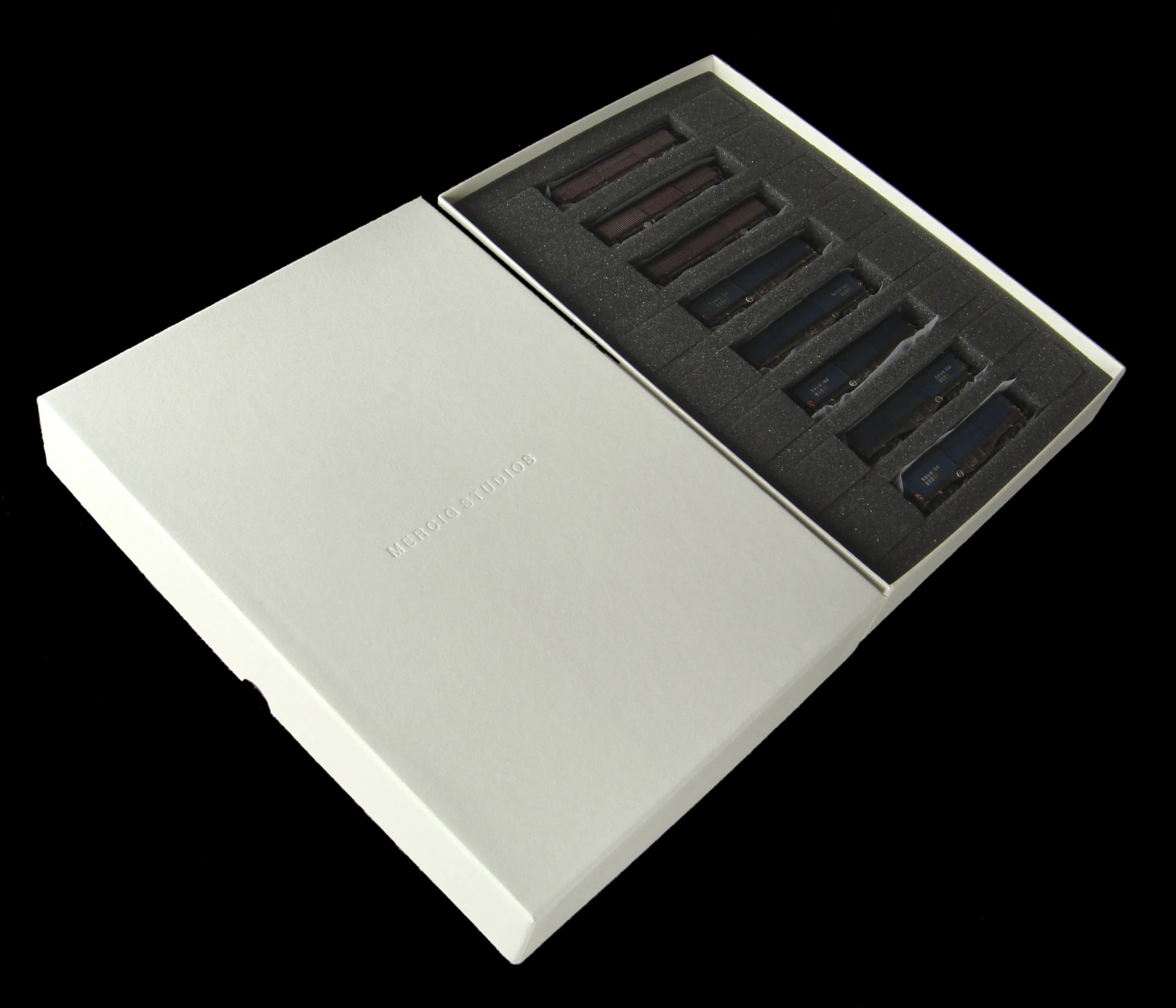
All Mercig Studios locos come in a beautiful presentation box with a de-embossed logo on the outside along with a signed and dated certificate of authenticity. A larger version is also available to fit wagons and coaches.